
Leveraging Case Studies to Secure Commercial Wins
For an entrepreneur, CMO or VP of sales, the enterprise sales cycle can be a grueling test of patience. When pitching high-value commercial accounts, volume-scale contracts, or municipal partnerships, traditional sales collateral inevitably falls flat. Glossy pitch decks, stock-photo-filled brochures, and standard corporate copy are systematically ignored by institutional decision-makers.
Enterprise buyers do not buy promises; they buy mitigated risk. They need hard, undeniable proof that your organization possesses the operational scale, technical sophistication, and structural capability to execute at their level.
To break through this corporate skepticism and compress multi-month sales cycles, market leaders are abandoning traditional case studies and investing in precision commercial video production for major brands.
When a company transforms an enterprise victory into a high-end cinematic asset, it creates an unshakeable trust engine. We helped Vi, the AI execution layer for healthcare to create a suite of testimonial mini-documentaries with this approach. It is a visual mechanism that answers a prospect's most deeply held operational objections before they ever have the chance to voice them in the boardroom.
Here is the strategic framework to capture your greatest enterprise achievements and deploy them as direct customer-conquest assets.

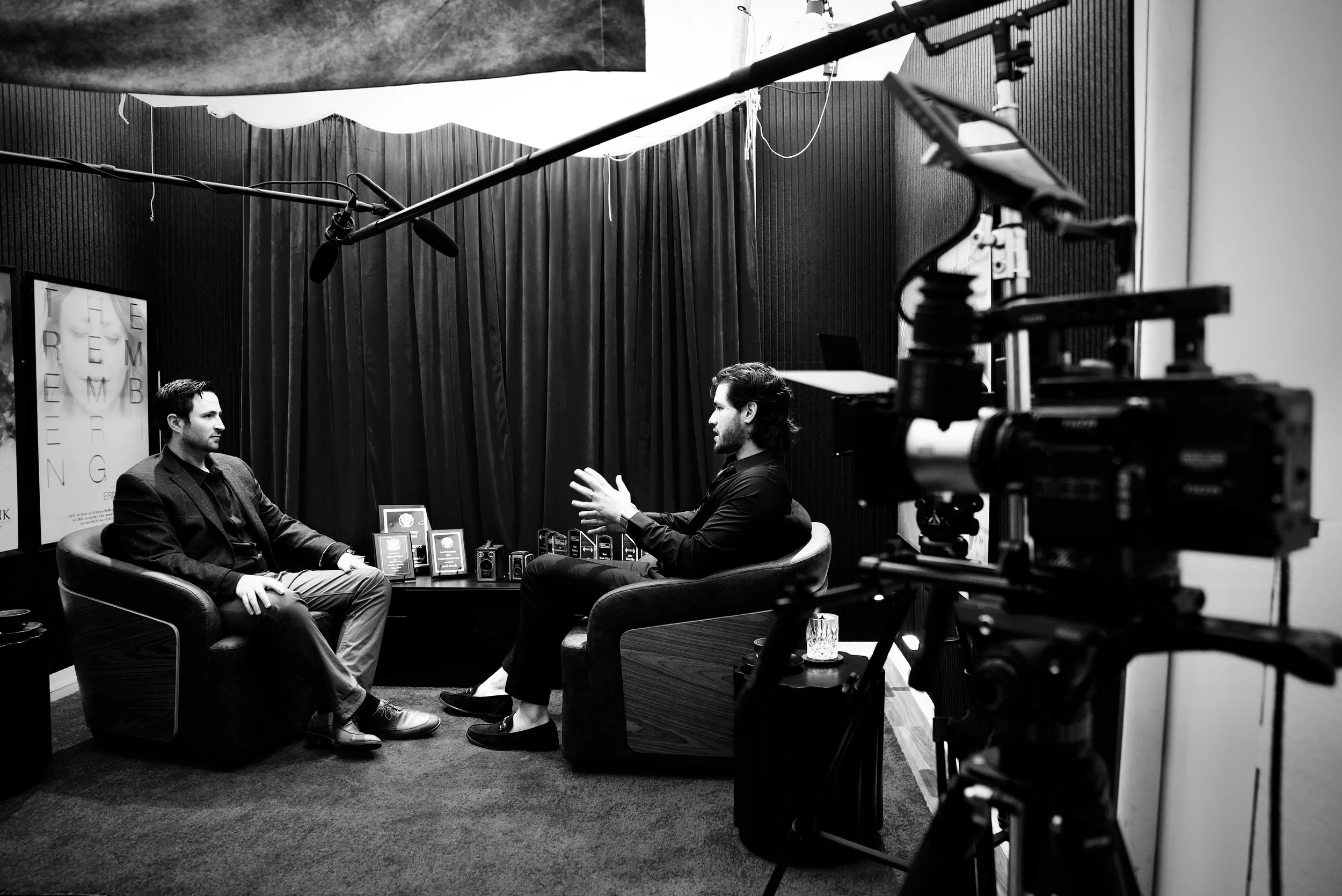
Behind the Camera for a video testimonial with ClearView and Vi
1. The Power of High-Profile Validation
The structural mistake many luxury or B2B brands make with their video portfolios is clustering all of their work into a single, generalized overview reel. They mix residential retail projects, small-scale assignments, and massive enterprise accounts into the same timeline, backed by an upbeat music track.
To an institutional buyer—such as a corporate purchasing director, a lead architect, or a commercial developer—this lack of segmentation is a red flag. They do not care about your consumer-facing retail success; they care about your contract capabilities under intense operational pressure.
The core of modern commercial video production for major brands relies on Proof-of-Capability Segmenting. This means carving your enterprise victories completely out of your general brand footprint and building standalone, modular mini-segments engineered exclusively for B2B buyers.
When our team at Red Axe developed this asset strategy, we designed a framework to isolate specific high-profile validations:
The Segmented Proof Point: Take a definitive, marquee contract—such as a large-scale project execution for a globally recognized hospitality titan like Hyatt—and label it unmistakably as a master study in "Commercial Expertise."
Focus on Scale and Operations: The visuals should skip past generic aesthetics and focus heavily on the scale of the deployment: logistics, supply chain management, blueprint accuracy, and large-scale architectural integration.
Targeted Distribution: Instead of burying this asset on a consumer-facing social media feed, deploy it to a dedicated, password-protected landing page built specifically for corporate outreach, enterprise RFP responses, and high-stakes pitch meetings.
2. Weapons-Grade Testimonials: Letting Your Clients Handle the Skepticism
Every prospective commercial client enters a sales meeting with a baseline wall of skepticism. They are silently asking themselves: Can this company actually deliver on time? Will they blow past our budget? Will their quality match our internal standards?
If your sales team tries to answer these questions directly, it sounds like standard biased negotiation. But when a peer from a globally revered brand answers those questions for them, it becomes an undeniable truth.
The pivot point of a highly effective commercial video asset is the inclusion of a high-level, weapons-grade stakeholder testimonial.
The Executive Peer-to-Peer Voice: Instead of interviewing low-level staff, feature an authoritative stakeholder who holds direct accountability for the project’s success, such as the General Manager (GM) or Director of Operations.
The Problem-Solution-Impact Narrative: The interview structure must bypass generic praise (e.g., "They did a great job") and focus entirely on operational metrics: how your brand solved an incredibly complex design problem, navigated a tight deadline, and elevated the commercial value of their space.
The Emotional Subtext of Security: When a prospective buyer sees the GM of a major brand like Hyatt speaking confidently about your organizational reliability, it shifts the buyer's internal calculation from a position of risk to a position of profound security.
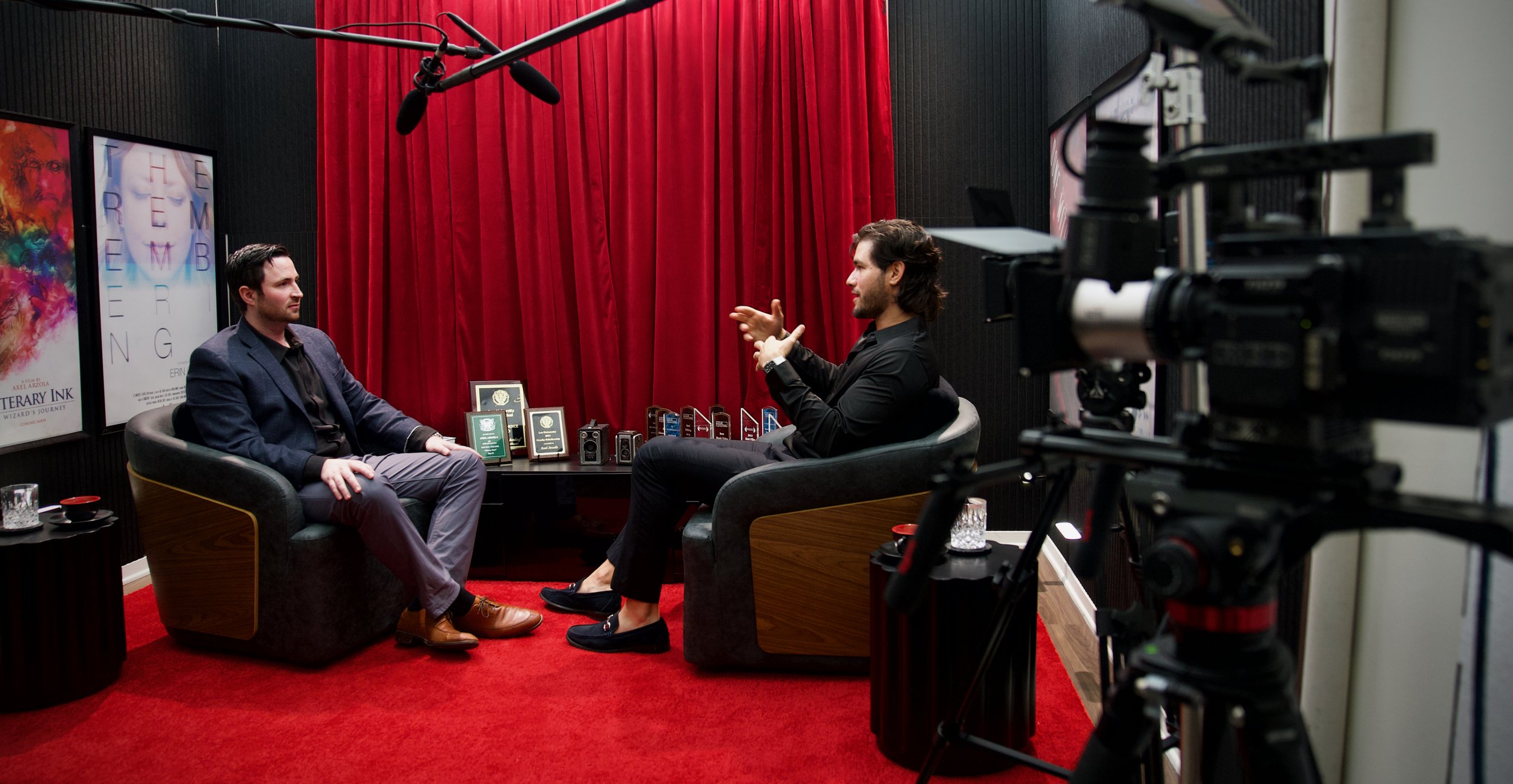

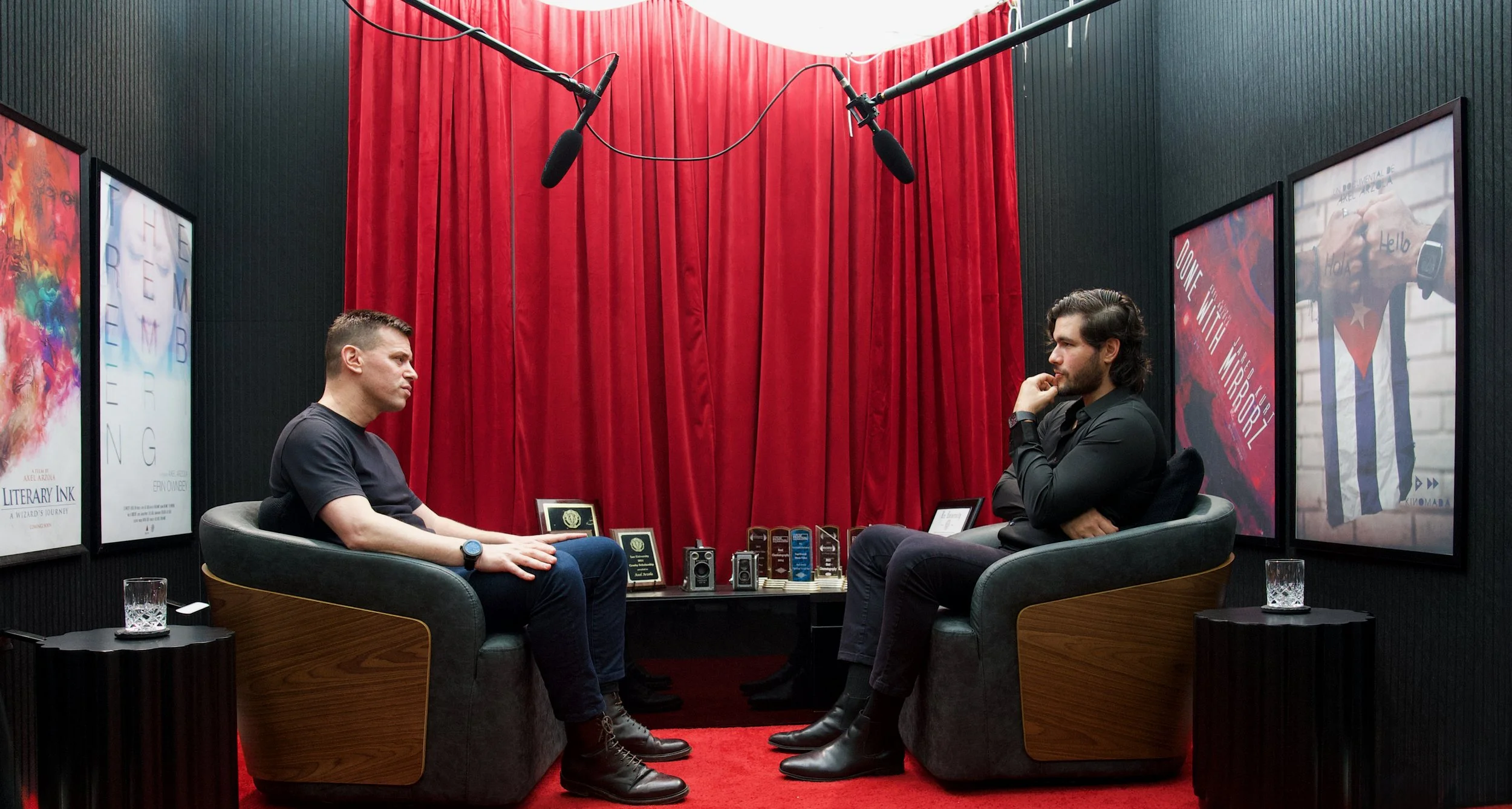
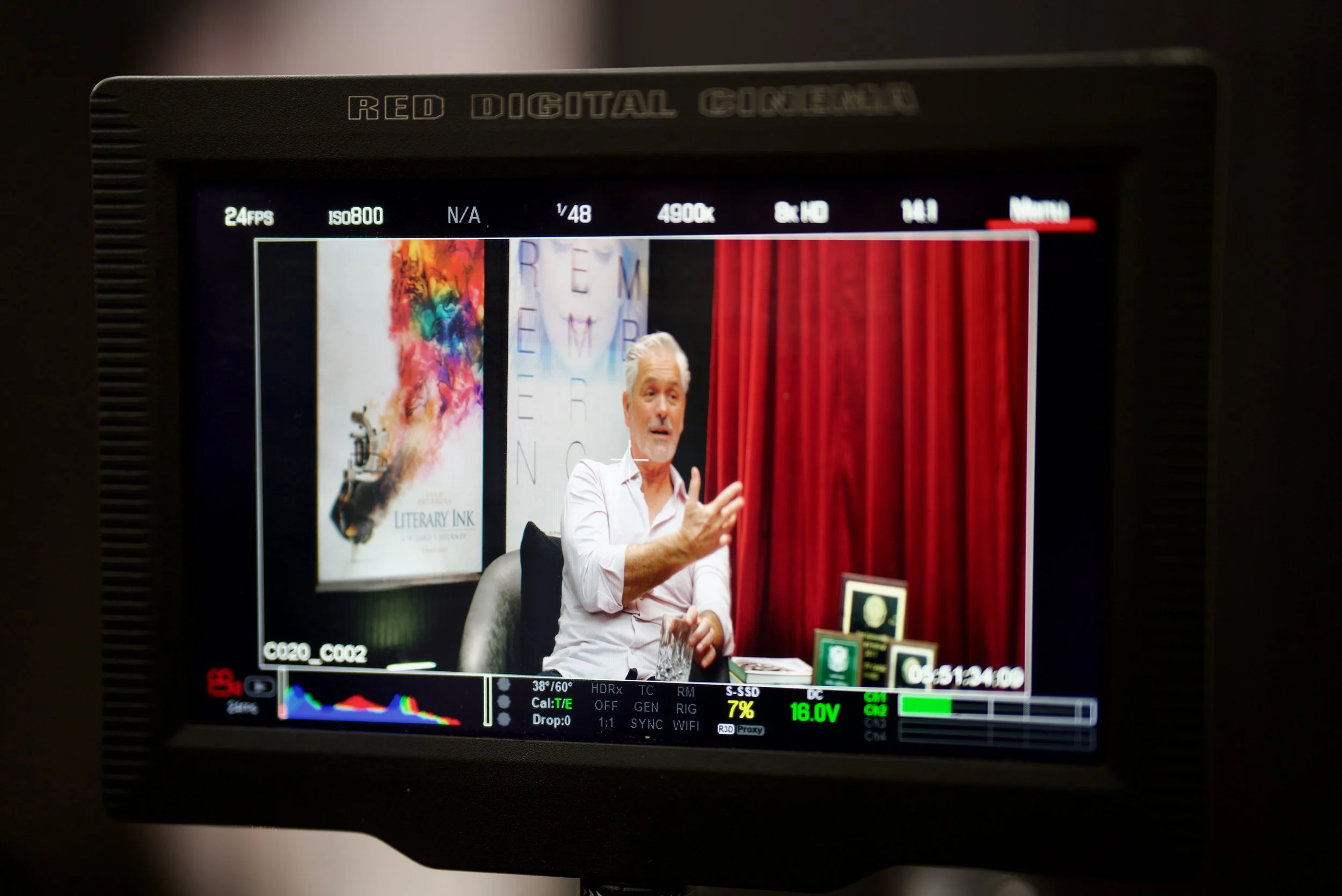
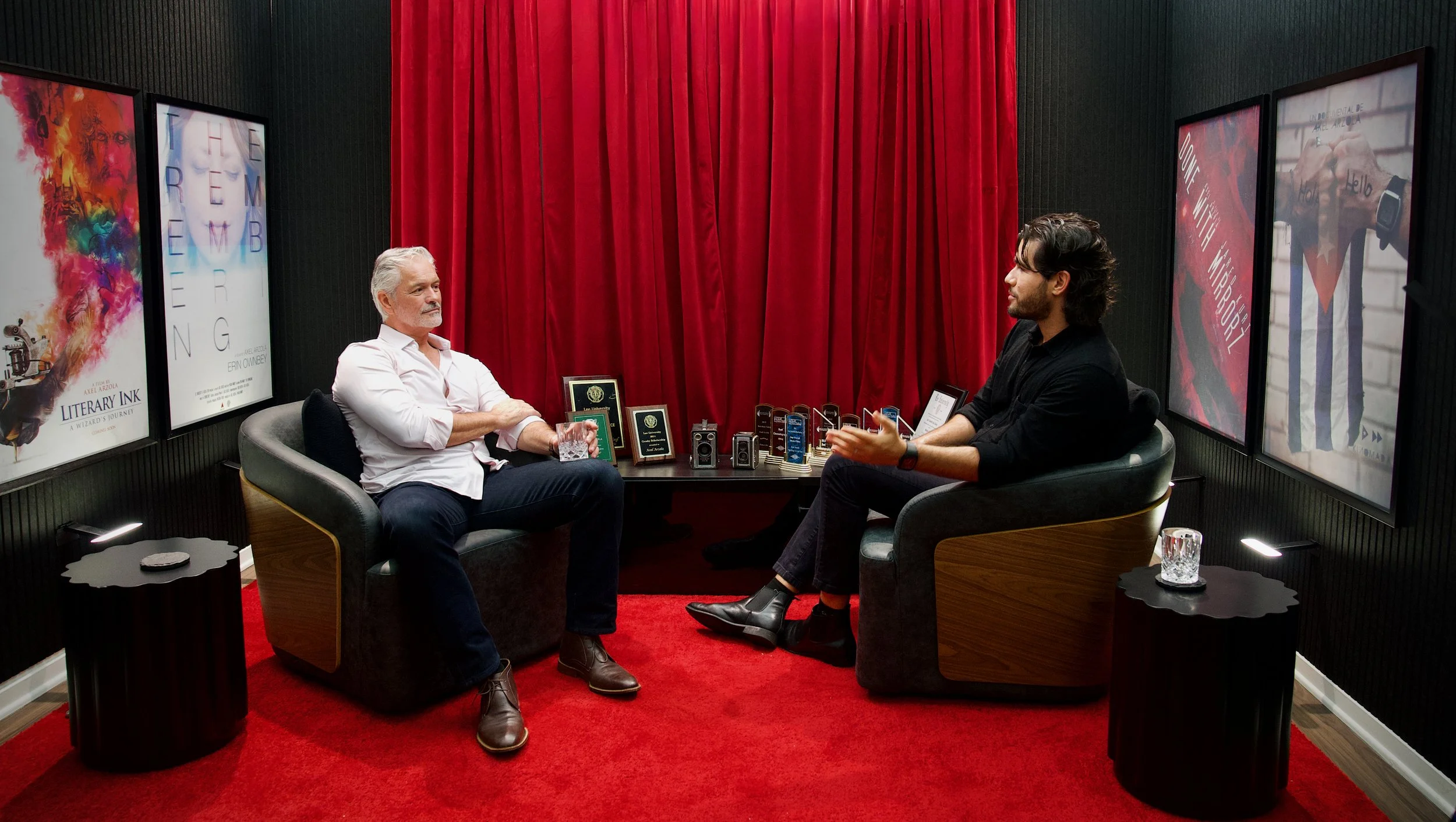
“A poor quality video is not saving you money, it’s costing your reputation”
3. The Prestige Finish: Merging B2B with Hollywood-Grade Production
You never want to be boring, yet every brief for a corporate video would put to sleep even the same people who want to produce the video.
Start with something captivating, interesting and different in the first 5 seconds, There is a pervasive myth in corporate marketing that B2B commercial content needs to be dry, clinical, and visually uninspiring. This assumption results in unengaging case study videos that look like low-budget local news segments, featuring harsh lighting, static angles, and flat color profiles.
Institutional buyers are human beings. The watch Netflix and go to the movies. They consume high-end, cinematic content on streaming platforms every evening, and their visual expectations do not drop when they walk into the office. To command a premium price point over your competitors, your commercial case studies must carry a prestige, cinematic aesthetic.
Cinema-Grade Optics: Utilize full-frame cinema camera packages and ultra-fast prime lenses to deliver a painterly contrast, deep cinematic textures, and natural flares. This instantly elevates a standard site walkthrough into an immersive brand experience.
Dynamic Camera Choreography: Replace stagnant tripod shots with intentional, smooth camera movements—using stylized sliders, precise jib movements, and cinematic drone tracks—to illustrate the grand scale of the space and structural layout.
Precision Post-Production and Color Suite Integration: The final footage should undergo an exacting color-grading process to establish a sophisticated, high-end color palette. When paired with a meticulously mixed, orchestral sound design, the final video does not feel like a corporate chore to watch; it feels like an elite piece of brand cinema.
Dominating the Enterprise Bidding Arena
In the highly competitive landscape of major commercial contracts, the brand that wins is the brand that provides the shortest path to operational certainty.
When you partner with a production powerhouse built for commercial video production for major brands, you aren't just capturing video files of a finished construction or installation site. You are engineering a bulletproof sales asset designed to destroy buyer friction, out-position budget-cut competitors, and validate your enterprise capabilities at the highest corporate level.
Stop telling prospects what you can build. Deploy a cinematic trust engine that shows them exactly how you conquer complex projects, and claim your unfair market advantage.
-
Actors
- Oct 11, 2026 From German Influencer to Hollywood Lead Oct 11, 2026
- Aug 22, 2026 From Med School Dropout to Sunset Boulevard: Jason Salvatore Cohen on the Reality of Hollywood Aug 22, 2026
- Aug 22, 2026 Brittany Marsicek on Rom-Com Realism and 10-Year Relationships Aug 22, 2026
- Apr 24, 2026 Resilience, Faith, and the "Butterfly Moment" Apr 24, 2026
- Apr 10, 2026 How to Reprogram Your Subconscious Mind for Peak Performance Apr 10, 2026
- Apr 3, 2026 Behind the Lens with Guillermo Zapata Apr 3, 2026
- Mar 20, 2026 ESCAPE WITH ME Mar 20, 2026
- Mar 11, 2026 Sex & Oatmeal Mar 11, 2026
-
Business
- Aug 22, 2026 What To Do When Someone Betrays You Aug 22, 2026
- Jun 2, 2026 The Multi-Platform Playbook Jun 2, 2026
- May 29, 2026 The Anatomy of a High-Converting Brand Campaign May 29, 2026
- May 22, 2026 The AI Execution Layer Bringing Health Abundance May 22, 2026
- May 3, 2026 Navigating Hollywood and Raising Honorable Men May 3, 2026
- Apr 27, 2026 SCALING TO UNICORN STATUS Apr 27, 2026
- Feb 19, 2026 The Architecture of Intent: Navigating the Business of Life with Parham Zar Feb 19, 2026
-
Entrepreneurship
- Jun 2, 2026 The Multi-Platform Playbook Jun 2, 2026
- May 29, 2026 The Anatomy of a High-Converting Brand Campaign May 29, 2026
-
Fashion
- Mar 20, 2026 ESCAPE WITH ME Mar 20, 2026
- Mar 6, 2026 taking control of time Mar 6, 2026
-
Health
- Feb 19, 2026 The Architecture of Intent: Navigating the Business of Life with Parham Zar Feb 19, 2026
-
Hollywood
- Oct 11, 2026 From German Influencer to Hollywood Lead Oct 11, 2026
- Aug 22, 2026 What To Do When Someone Betrays You Aug 22, 2026
- Aug 22, 2026 From Med School Dropout to Sunset Boulevard: Jason Salvatore Cohen on the Reality of Hollywood Aug 22, 2026
- Aug 22, 2026 Brittany Marsicek on Rom-Com Realism and 10-Year Relationships Aug 22, 2026
- Mar 20, 2026 ESCAPE WITH ME Mar 20, 2026
-
Marketing
- Jun 2, 2026 The Multi-Platform Playbook Jun 2, 2026
-
Medical
- Feb 19, 2026 The Architecture of Intent: Navigating the Business of Life with Parham Zar Feb 19, 2026
-
Mindset
- May 22, 2026 The AI Execution Layer Bringing Health Abundance May 22, 2026
- May 3, 2026 Navigating Hollywood and Raising Honorable Men May 3, 2026
- Apr 27, 2026 SCALING TO UNICORN STATUS Apr 27, 2026
- Apr 24, 2026 Resilience, Faith, and the "Butterfly Moment" Apr 24, 2026
- Apr 10, 2026 How to Reprogram Your Subconscious Mind for Peak Performance Apr 10, 2026
- Mar 1, 2025 Becoming a father Mar 1, 2025
-
Performance
- May 22, 2026 The AI Execution Layer Bringing Health Abundance May 22, 2026
- May 3, 2026 Navigating Hollywood and Raising Honorable Men May 3, 2026
- Apr 27, 2026 SCALING TO UNICORN STATUS Apr 27, 2026
- Apr 24, 2026 Resilience, Faith, and the "Butterfly Moment" Apr 24, 2026
- Apr 10, 2026 How to Reprogram Your Subconscious Mind for Peak Performance Apr 10, 2026
-
Relationships
- Aug 22, 2026 What To Do When Someone Betrays You Aug 22, 2026
- Aug 22, 2026 From Med School Dropout to Sunset Boulevard: Jason Salvatore Cohen on the Reality of Hollywood Aug 22, 2026
- Aug 22, 2026 Brittany Marsicek on Rom-Com Realism and 10-Year Relationships Aug 22, 2026
-
Watches
- Mar 6, 2026 taking control of time Mar 6, 2026
-
Writers
- Apr 24, 2026 Resilience, Faith, and the "Butterfly Moment" Apr 24, 2026
- Apr 10, 2026 How to Reprogram Your Subconscious Mind for Peak Performance Apr 10, 2026
- Apr 3, 2026 Behind the Lens with Guillermo Zapata Apr 3, 2026
- Mar 11, 2026 Sex & Oatmeal Mar 11, 2026
-
acting
- Oct 11, 2026 From German Influencer to Hollywood Lead Oct 11, 2026
-
media
- Jun 2, 2026 The Multi-Platform Playbook Jun 2, 2026
- May 29, 2026 The Anatomy of a High-Converting Brand Campaign May 29, 2026
