
The AI Execution Layer Bringing Health Abundance
From F-16 Helmets to a $1.6B AI Powerhouse: My Deep Dive with Omri Yoffe, CEO of Vi.co
When Omri Yoffe walked onto our studio set, I immediately flashed back to the very first time we met in person in Tel Aviv. He had walked into a room full of his team members, saw me, lit up, and immediately went in for a hug. Right then, my respect for him skyrocketed. I already knew what he had built on paper, but seeing how down-to-earth he was—and how deeply he cared for his people—showed me who he really was.
Now, sitting across from him in front of our cameras, I wanted to strip away the usual corporate buzzwords. Omri is the founder and CEO of Vi.co, the healthcare enterprise AI execution layer that recently crossed a $1.64 billion valuation.
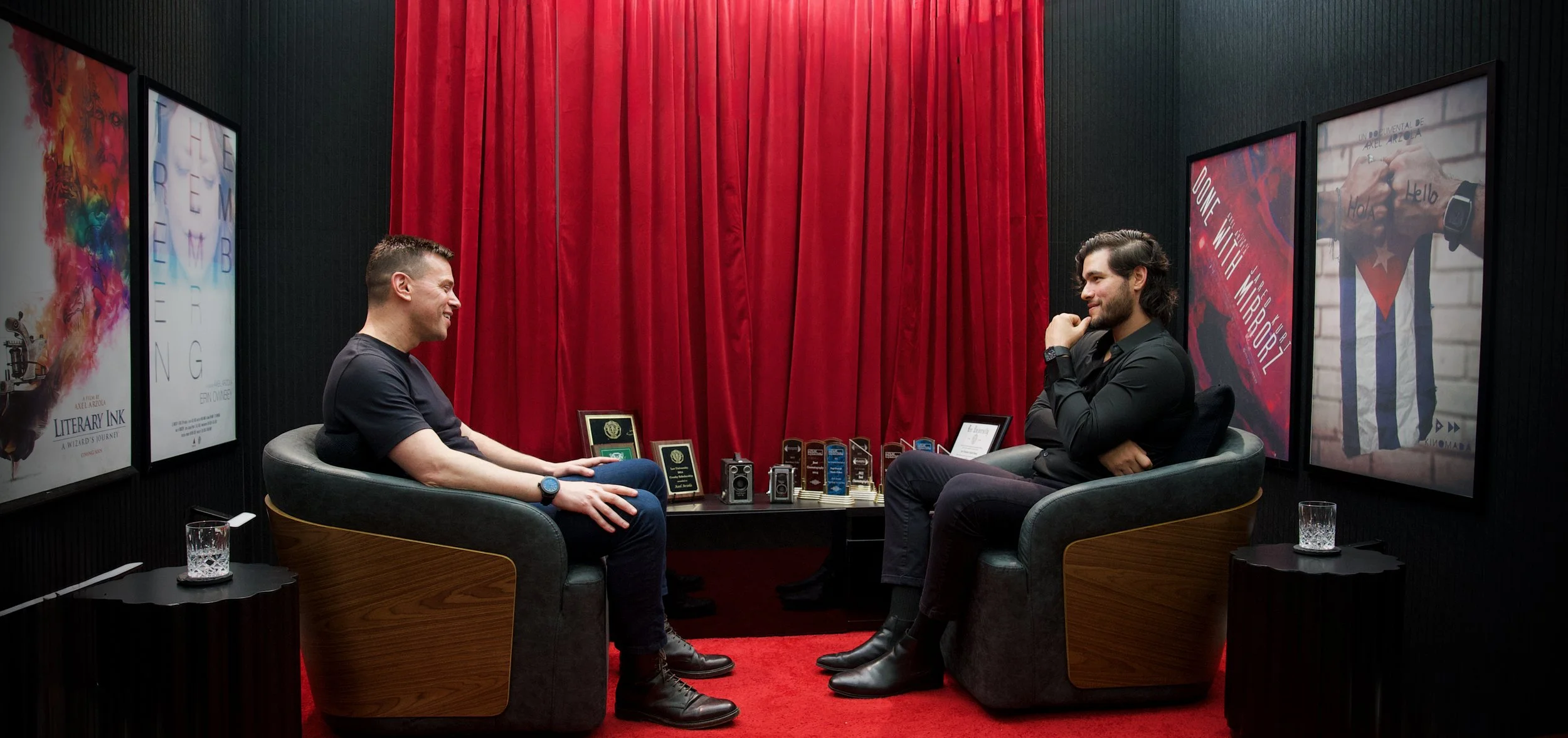
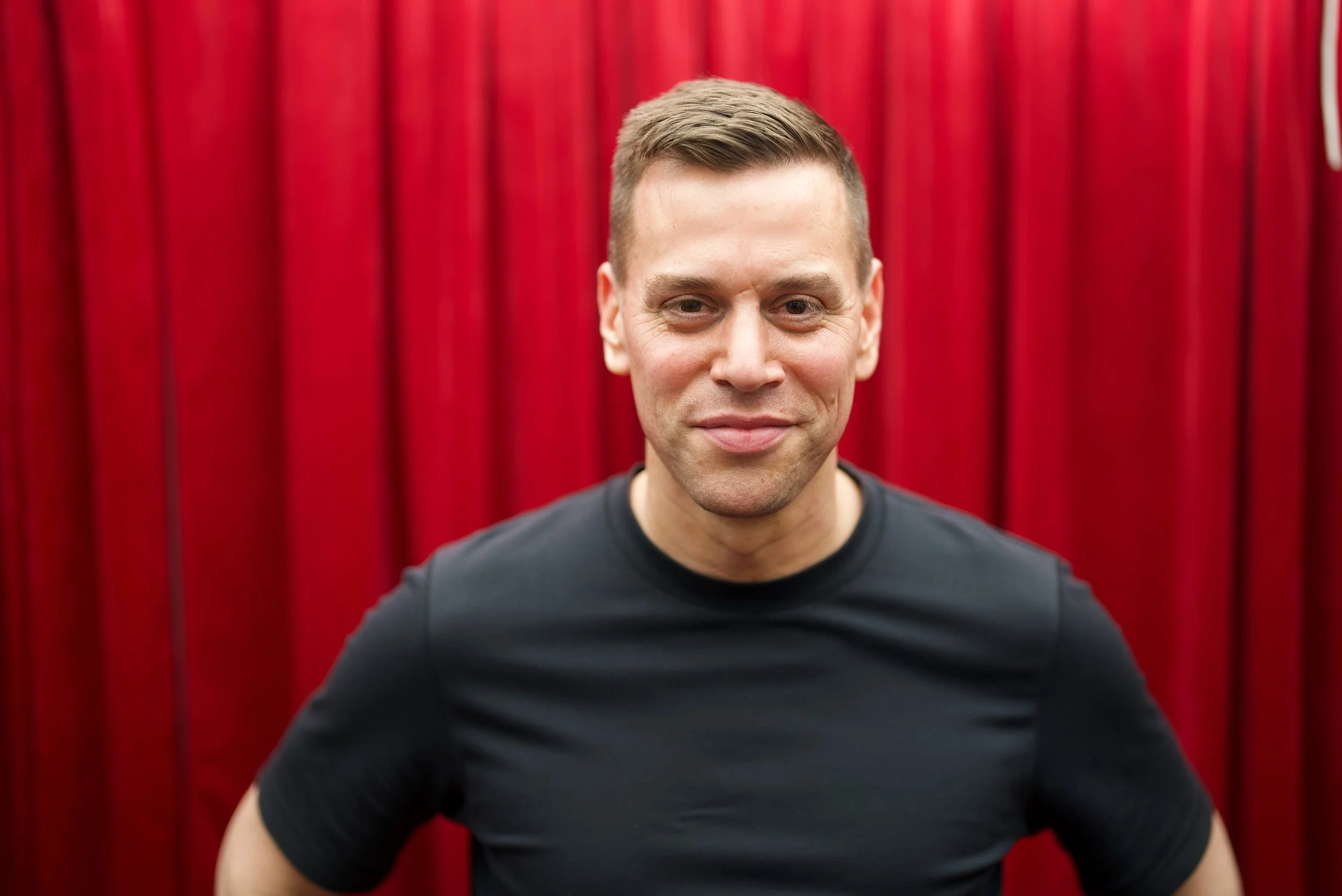
Omri (left) and Axel (right) moments before starting the interview.
But if you talk to Omri for five minutes, you realize he doesn’t care about valuations, balance sheets, or fancy logos.
This is the full, in-depth breakdown of our conversation—covering everything from aerospace tragedies and the restructuring of the American healthcare grid to his contrarian philosophies on leadership, parenting, and why SaaS models are dying in the age of AI disruption.
The Core Principle: Living with a Purposeful Mission
I kicked off our conversation by asking Omri where his drive to bring out the absolute best in people comes from. His answer set the tone for the entire interview:
“Life cannot be about some balance sheet, code lines, and fancy logos. We live one time, and I’m a strong believer that we need to use our most productive years in a meaningful way.”
Omri explained that he has never understood the standard Silicon Valley playbook: building a company just to flip it, cash out, go to the beach, and repeat the process all over again. He wants to go deep, not wide. For him, true luxury is gathering an elite group of people who are culturally aligned and pointing them at a massive, generational problem for a long period of time.
The Genesis Story: From F-16 High-G Crashes to Healthcare
Many people wonder how an entrepreneur transitions from aerospace engineering to the healthcare sector. Omri’s path was forged through tragedy.
He served in the Israeli Air Force, collaborating with the US military and working with NASA. During that chapter of his life, they lost one of their finest F-16 pilots. The pilot pulled high G-forces during a maneuver, suffered a G-induced loss of consciousness (G-LOC), passed out, and crashed.
The tragedy hit incredibly close to home. Omri’s father had actually flown combat missions alongside the pilot's father—Ilon Ramon, the historic astronaut who tragically perished in the 2003 Columbia Space Shuttle disaster. The pilot who crashed was Ilon's son, Assaf Ramon, a close friend of Omri's who had graduated as an exemplary cadet from the Air Force academy only to lose his life a year later.
Driven by the need to ensure high-stakes operators were protected, Omri initiated a biosensing development that was eventually integrated into the helmets of F-35 and F-22 fighter jets. The system extracted real-time physiology—heart rate, oxygen saturation, and carotid artery perfusion (the blood flow delivering oxygen directly to the brain)—from the inner ear and forehead.



“I asked myself if, in 20 or 25 years, I could look back and explain to my kids in two sentences that I devoted my most productive years to helping achieve what we call ‘Health Abundance.’”
Deconstructing Vi.co: What is an AI Execution Layer?
As a regular guy off the street, my view of healthcare is simple: you feel sick, you see a doctor, they give you a diagnosis, you take a pill, and you get better. I asked Omri to explain exactly where Vi.co fits into this equation.
Omri clarified that Vi is not a diagnostic company. It is an enterprise AI execution layer that sits quietly on top of existing legacy systems of record (like Epic, AWS, Databricks, or Viva) used by massive hospital chains, health insurance providers, and pharmaceutical giants.
To make it practical, he broke down two core use cases:
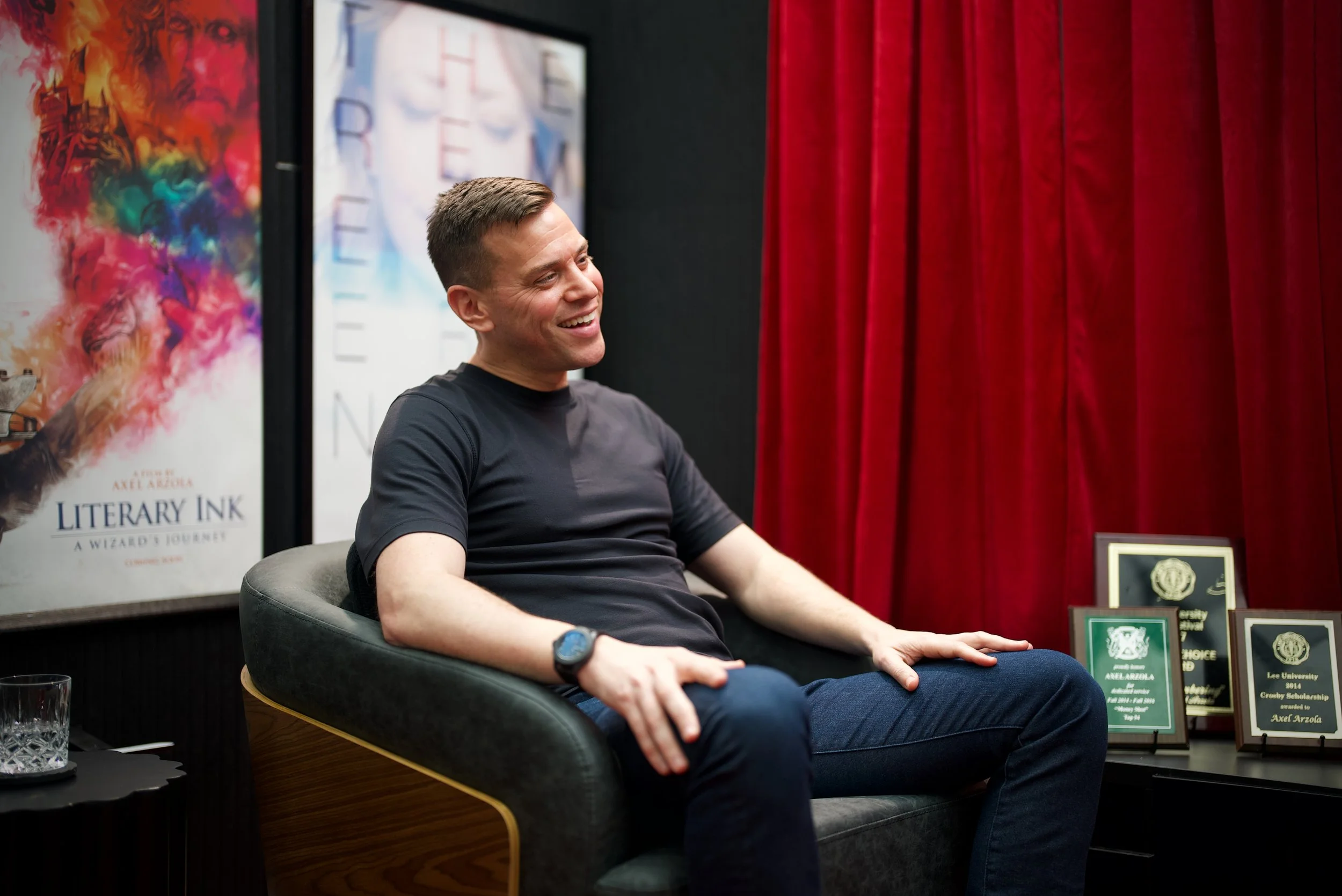
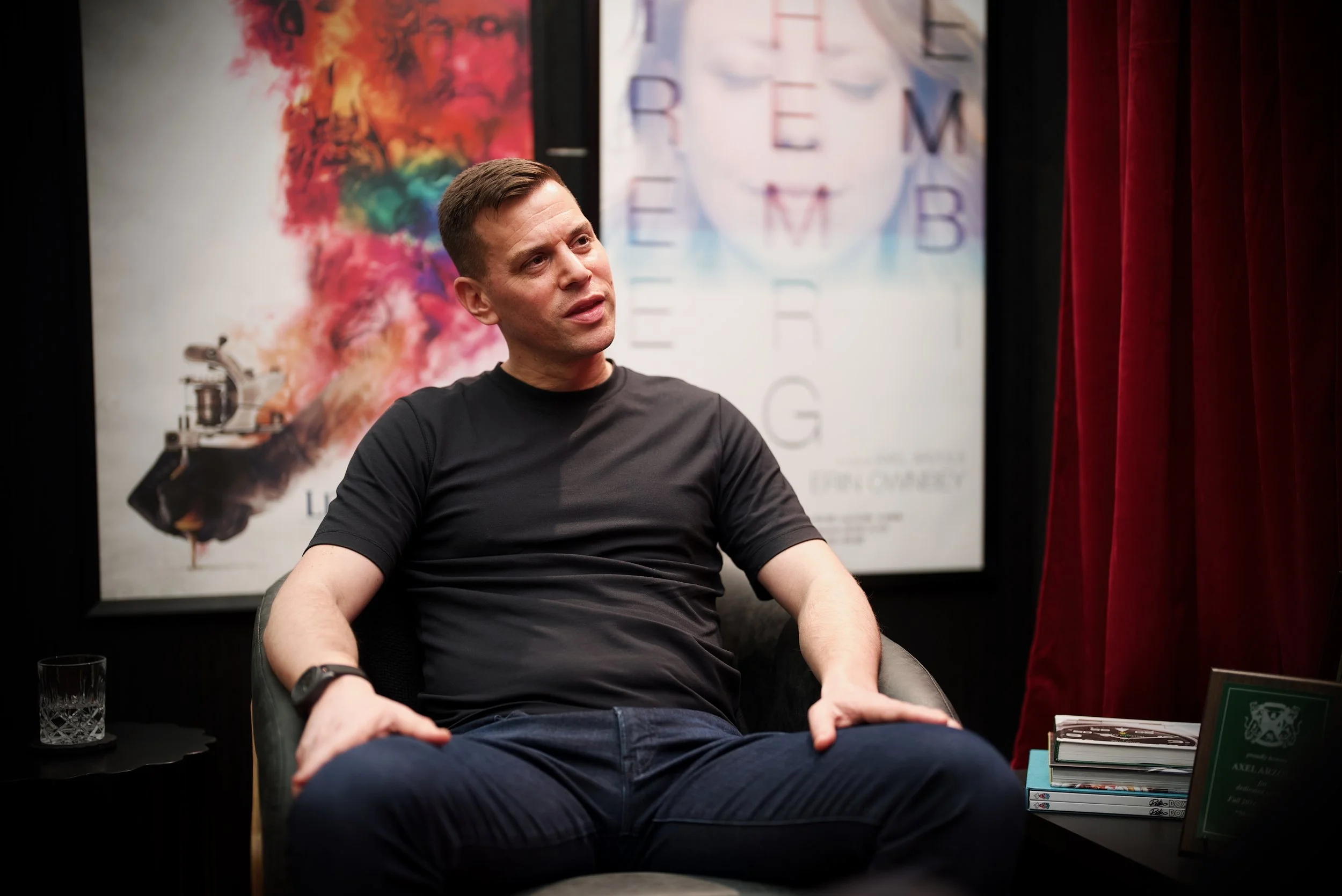
Omri Yoffe explaining how Vi acts as an AI execution layer for healthcare and life sciences.
Use Case A: Automated Care Navigation
Imagine a patient diagnosed with a severe chronic illness. Usually, they are dropped into a fragmented wilderness of siloed databases, referrals, and slow protocols. Vi.co analyzes the patient’s psychographic, demographic, and clinical profile—fully de-identified to ensure absolute data privacy—and deploys autonomous AI agents to map out and execute the "next best action." It immediately schedules their secondary opinions, routes them to the exact specialized clinics near their home, or pre-approves urgent surgeries, compressing weeks of systemic friction into seconds.
Use Case B: Clinical Trial Acceleration
Vi.co's Three Competitive Moats:
The World's Largest De-identified Dataset: Over 190 million de-identified patient profiles across clinical, behavioral, and operational vectors.
Specialized Health Verticals: Fully productized autonomous agents built specifically for healthcare operations, avoiding generic, biased LLM pitfalls.
Skin in the Game (Value-Based Pricing): Vi.co doesn't get paid a dime unless they verifiably prove they saved the enterprise money and optimized health outcomes for the underlying patients.
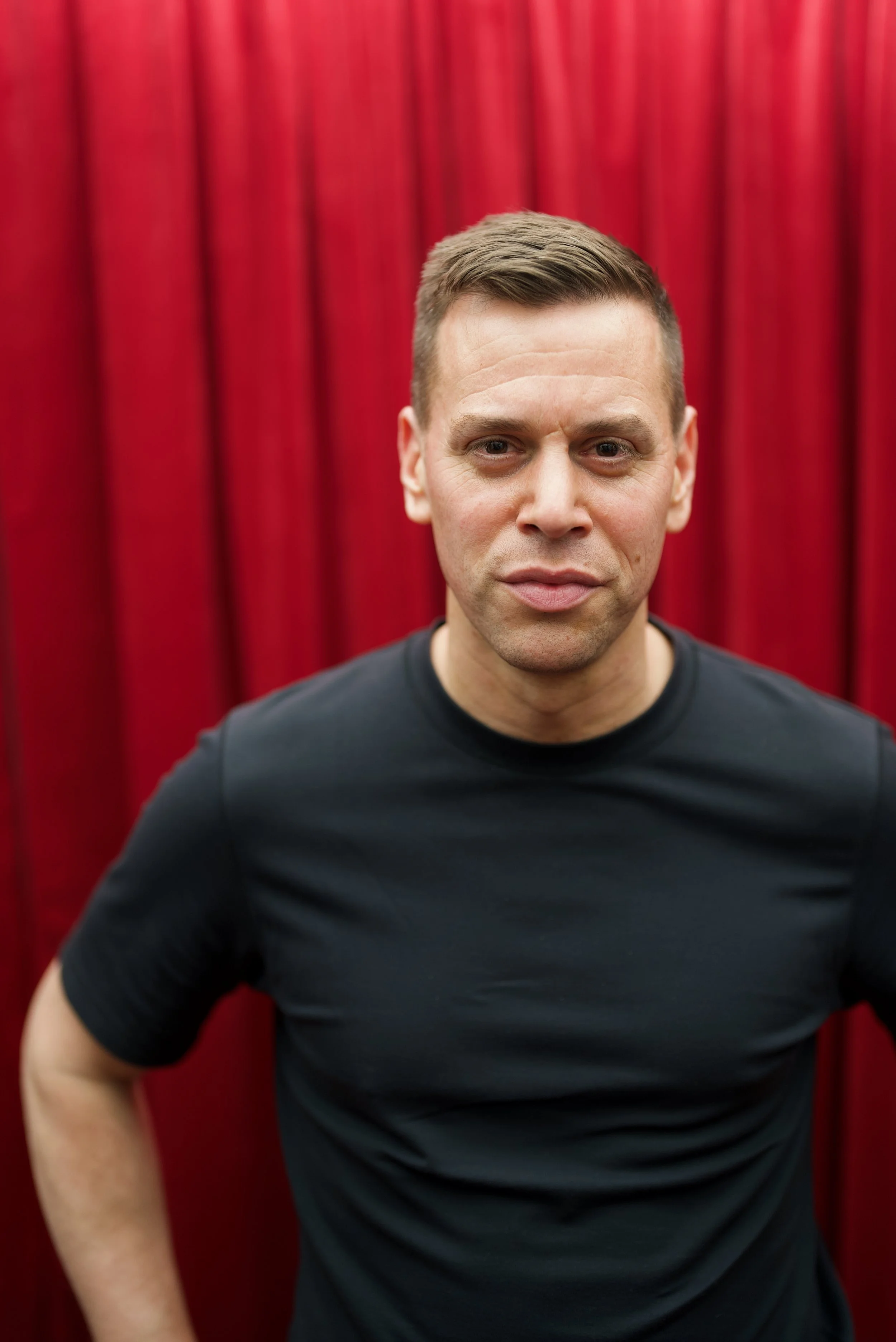
Omri Yoffe
"I see a world where you're able to tokenize patients. It’s the ability to take you as an ID—anonymous and secure, similar to the crypto world—and create a connective tissue grid.
You can move from your dentist to your pediatrician to your leukemia clinic, and every provider looks at the same tokenized ID.
That is true health abundance. We are on a 5 year horizon from making this a widespread reality."
Systemic Blockers: Capitalism, Socialism, and the Tokenized Future
I shared a deeply personal story with Omri. Back in 2018, my son Abel almost died from leukemia. For six months leading up to the diagnosis, he was constantly sick, lethargic, and showing a string of weird, disconnected symptoms. My mother is a doctor, my dad is a nurse, and my brother is a doctor—I’ve been around medicine my whole life, yet none of us could connect the dots until he was already in critical condition.
Thankfully, he went into remission after years of chemo, but it left me wondering: Why is the system so broken that it takes six months to catch something so lethal?
Omri explained that the delay stems from two massive systemic blockers: hyper-fragmented databases and execution friction.
Because healthcare systems operate as siloed capitalistic entities, there is no unified source of truth. I asked him who is standing in the way of fixing this, and his vision for the high ceiling of medicine blew my mind: Tokenization.
Watch the full conversation with Omri Yoffe n and Axel Axe on YouTube
The Capitalistic vs. Socialist Medicine Debate
Coming from Cuba, a socialist-communist country, I’ve seen firsthand how catastrophic state-run systems can be when motivation disappears and resources dry up. Yet, many people argue that capitalistic American healthcare is corrupt and that pharma is the devil. I asked Omri for his take on centralized medicine.
His response was highly nuanced. From an economic and operational standpoint, socialist medicine fails because it destroys competition and growth. However, from a pure data perspective, a centralized architecture is a goldmine. The ultimate solution isn't to eliminate capitalism, but to build a centralized data clearinghouse—similar to how the financial sector created the Credit Score or the SWIFT network—to enforce a single data sharing standard while leaving the delivery of care open to hyper-competitive private markets.
The Operating System of a Leader
Our conversation shifted toward how he manages his personal life while steering a multi-billion dollar ship and raising four young children.
Omri rejected the modern obsession with hyper-optimized, algorithmic morning routines. He recounted a funny story about attending a high-end leadership workshop where an instructor told him his habit of waking up and instantly diving into work instead of meditating was "unhealthy."
After spending two hours observing how Omri actually operates, the instructor threw his hands up and said, "You know what? It works. Just do whatever you want."
Omri's shares his personal execution strategy:
Blocker Removal: The very first thing he does when he wakes up is clear every operational limitation or technical bottleneck for his team. His core metric is never being the limiting factor in someone else’s lane.
The Version Upgrade Marriage: He has been with his wife, Jenny, for years. They treat their family structure not as a rigid rulebook, but as a dynamic partnership. Once a year, they go away to a great location, sit down, and explicitly exchange feedback: one compounding great quality they want the other to preserve, and one behavior they want upgraded in the "next version" of the relationship.
Fluid Integration with Kids: He doesn't build a wall between his work life and his parenting. His four kids know exactly what V does, they view the content, and they understand why their dad travels and works at an elite pace.
Concentrated Volume: Instead of trying to maintain a standard 9-to-5 daily routine, he completely disconnects on weekends, taking his kids on intense, concentrated trips to build deep memories
Embracing the Spotlight: "Every Day is Day One"
As Vi.co steps out of stealth mode and into a massive hyper-growth phase, Omri is increasingly being pulled into the media spotlight, doing interviews with major networks and publications like his interview on The Cube. I warned him that the American media loves a rockstar narrative, but they will also try to set traps for headlines.
His mindset regarding corporate valuation and public optics is something every founder needs to memorize:
Instead of using media to feed corporate pride, Omri views public platforms as a strategic flywheel for two distinct goals: organic executive conversion (capturing the attention of Fortune 50 CEOs who are looking for an operational edge) and talent acquisition. By speaking transparently in long-form formats, top-tier engineering talent can look past the valuation and understand the true DNA of the company.
“It truly doesn’t matter if we are a $1.64 billion value, half a billion, or ten. Stay focused, stay humble.
Fundraising valuations should not be celebrated.
Those are simply tools to price a company, retain the best talent in the world, and provide returns to shareholders.
They change nothing about our day-to-day work. If you invest 10% or 20% of your CPU focusing on external optics, you are actively harming the value of the company.”
The Ultimate Muscle: Radical Pivots and Exceptional Effort
We closed our talk with his advice for the next generation of creators, juniors, and AI-native entrepreneurs who are grinding through survival mode to cross their first major revenue marks.
Omri reminded me that Vi.co wasn't always an enterprise titan. They actually started as a direct-to-consumer hardware and software company, creating an AI voice companion built into headphones. They ran the largest Kickstarter campaign in wellness history right here in Los Angeles, hitting $6 million in profitable sales—only to get completely crushed in the market when Apple and Google integrated their native HealthKit frameworks, causing user acquisition costs to skyrocket.
Faced with structural death, Omri performed open-heart surgery on his own company. He scaled down a team of 53 people to just 3 core members, swallowed his pride, weathered the massive blow to his public optics, and pivoted entirely into the B2B infrastructure layer we see today.
"Einstein said that intelligence is measured by the ability to change. This muscle of evolving, staying open-minded, staying humble, and humiliating yourself if needed to do the right thing in a decisive way—that is the only thing that matters."
To the young talent coming into the workforce in this AI-native landscape, Omri’s directive is clear: Exceptional effort and hours equal exceptional outcomes.
There are no shortcuts, there is no magic prompt that replaces systemic grit, and chasing a specific number on a bank statement will never bring happiness. Remove the weight from your shoulders, strip away the social media noise, pick a massive problem that you can obsess over naturally, and treat every single morning like it is day one.
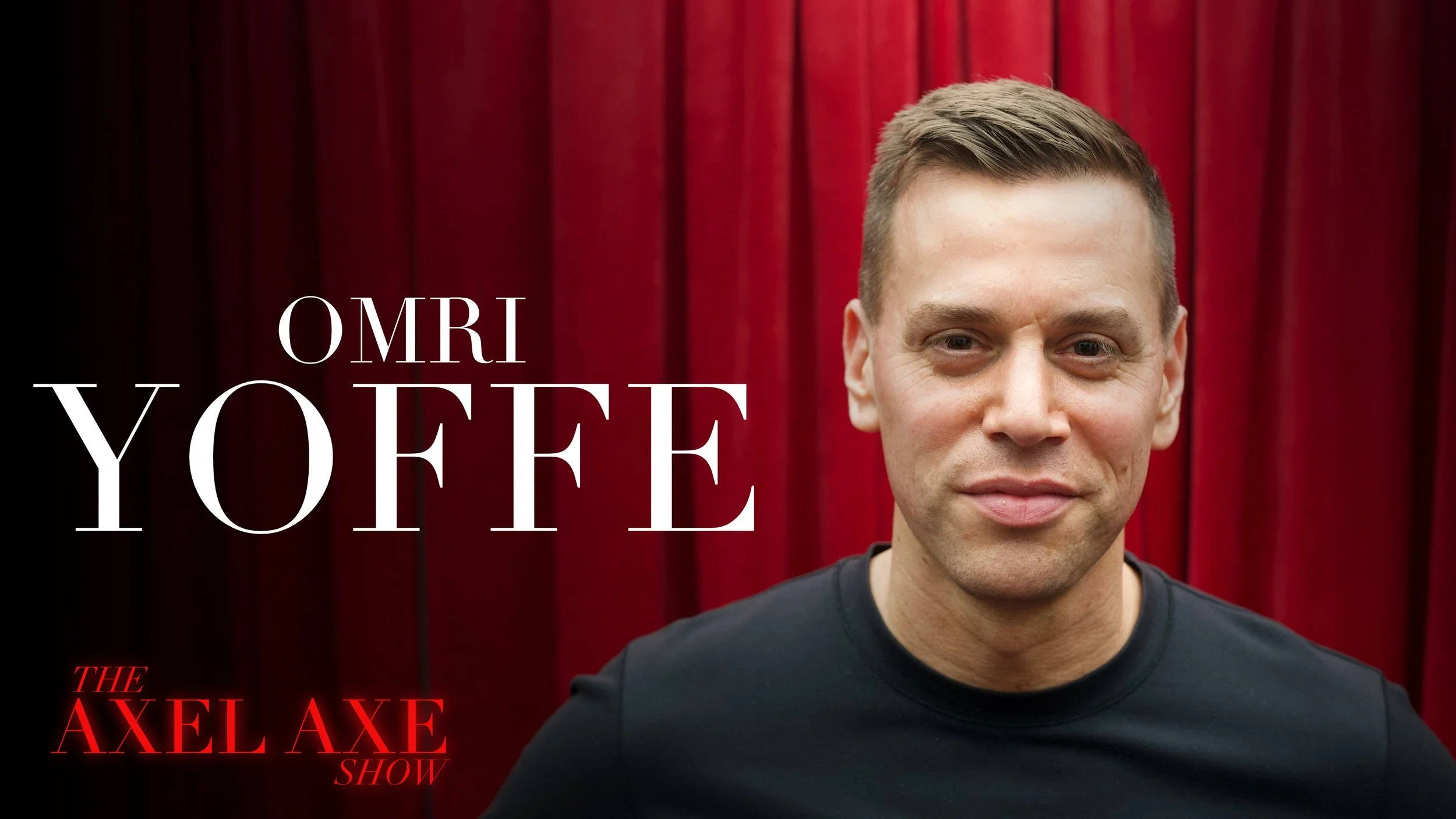
Omri is the Founder & CEO of Vi. He set out to help people around the world live healthy and active lives through the power of data science and AI.
