
SCALING TO UNICORN STATUS
In the high-stakes world of Enterprise AI, there is a distinct difference between "speculation" and "revenue."
While the Silicon Valley echo chamber is often filled with talk of valuations and burn rates, Spencer Honeyman, the Chief Revenue Officer of Vi.co, has been quietly building with their team a generational company focused on one thing: ROI.
Vi.co has scaled from zero to nine-figure ARR profitably in a matter of a few years. Their team is providing an AI execution layer for healthcare and life sciences that sits between systems, doesn’t replace the team or existing technology. They have been able to deploy successfully for some of the biggest names in healthcare, life sciences, and wellness.
I met Spencer and the team at Vi while producing a series of short documentaries. We partnered together to tell the story of some of their customers and how they are using AI and new technology to reach more people and provide better care. For me personally, stories about caring for others and helping people who are sick are very important. I grew up in a household of care; with my mom, my stepdad and my younger brother being all medical professionals.

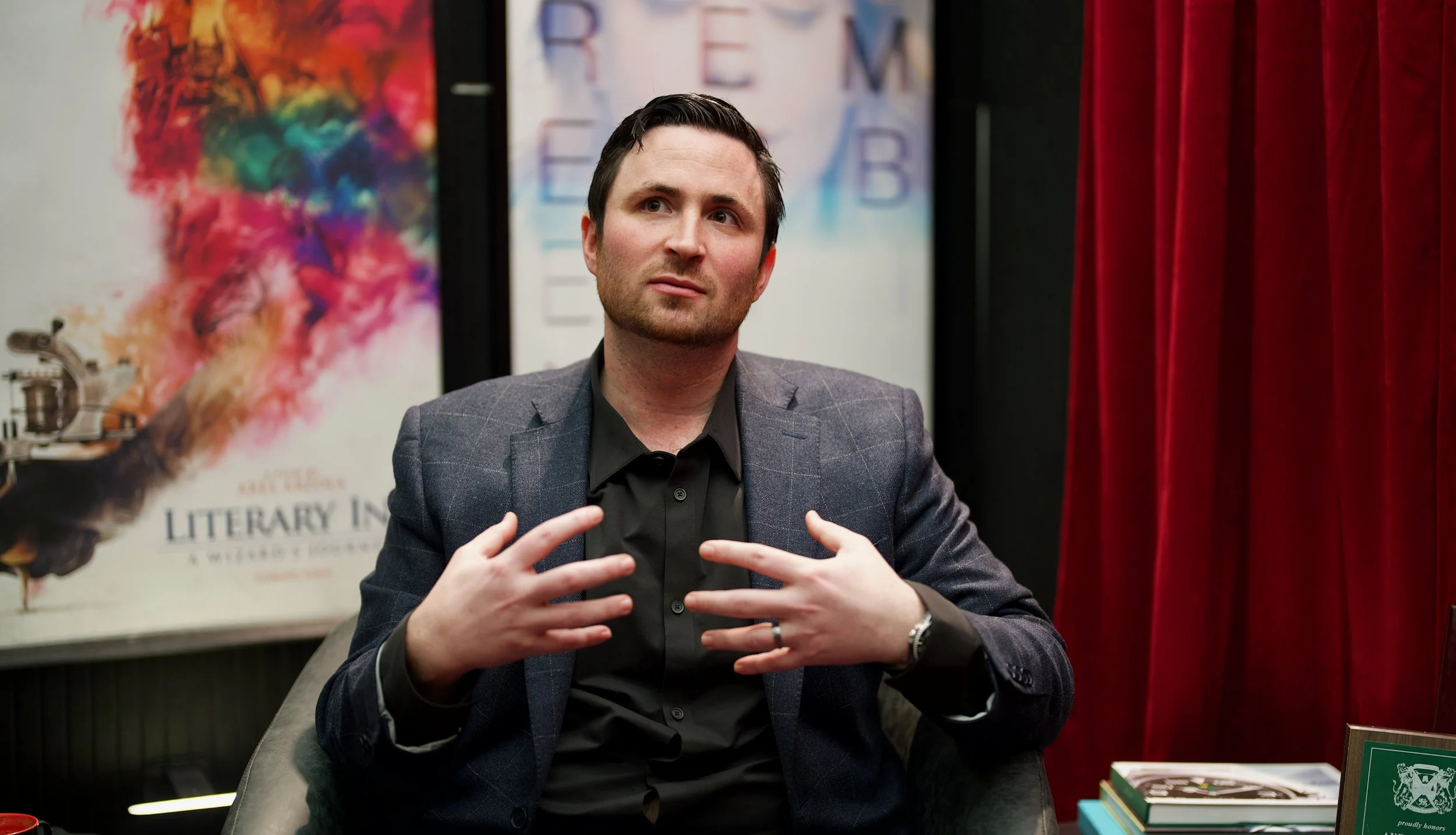
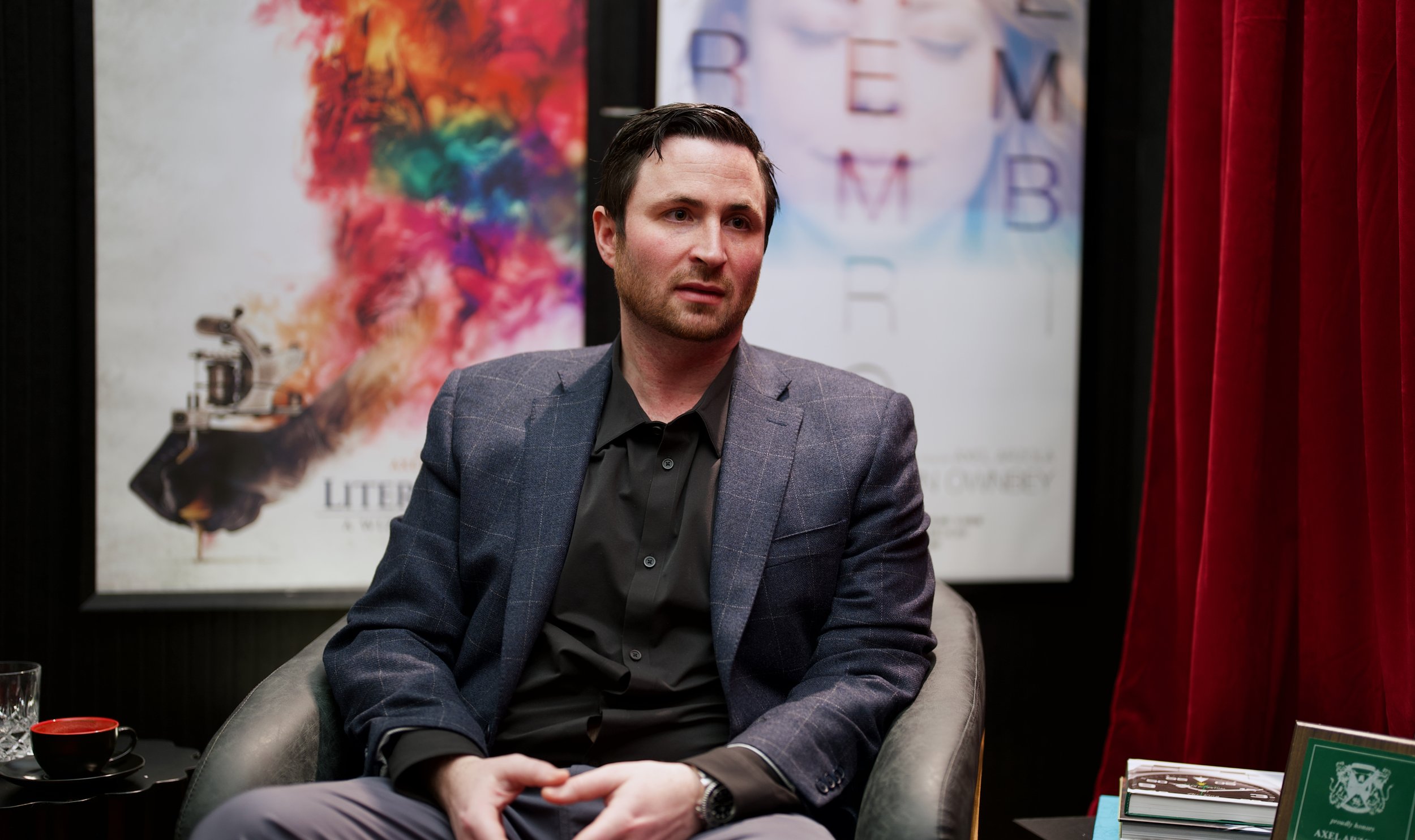
Spencer (left) and Axel (right) moments before starting the interview.
In our recent deep dive, Spencer pulled back the curtain on the mechanics of "Zero to One," value-based pricing, and why the best enterprise sales strategy often involves sending zero cold emails. I really wanted to understand how someone starting out in business could take the lessons that Spencer has learned to supercharge the results of any company involved in B2B. Beyond that, I want to gain a better understanding of what makes a high level sales team function during a hyper growth stage.
The "Zero to One" Manual
1. Validate Before You Build
One of the most counterintuitive pieces of advice Spencer shares is to stop building. Many founders lock themselves in a room for months, perfecting a product that the market might not actually want. Spencer advocates for a "Discovery First" approach.
“We don’t do a proof of concept to nowhere.”
The 99.9% Rule
"99.9% of the time, your initial idea is wrong," Spencer notes. The goal is to document your hypotheses and take them to the market—not to sell, but to learn. By doing discovery with doctors, patients, and facility owners, you allow the market to tell you where the pain is. Spencer recommends selling your first three to five enterprise clients on a Letter of Intent (LOI) or a clickable prototype before a single line of production code is written.







2. Punching Above Your Weight Class
How do you get a meeting with a Fortune 500 CEO when you’re just a startup with a PowerPoint? Spencer suggests two creative angles:
The Academic Angle: Partnering with institutions like MIT for research creates immediate credibility. "Hey, I’m doing a research project on X" is a much more effective door-opener than a sales pitch.
Nexus Points: Find the "retired" giants of an industry. Recently retired executives are often passionate about solving the problems they spent decades on and can act as a bridge to current stakeholders.
Pro Tip: Avoid the "middle."
Either be radically transparent about needing advice and introductions, or be a zero-pressure researcher. Don't get caught in the "friendly conversation" that turns into a sneaky pitch.

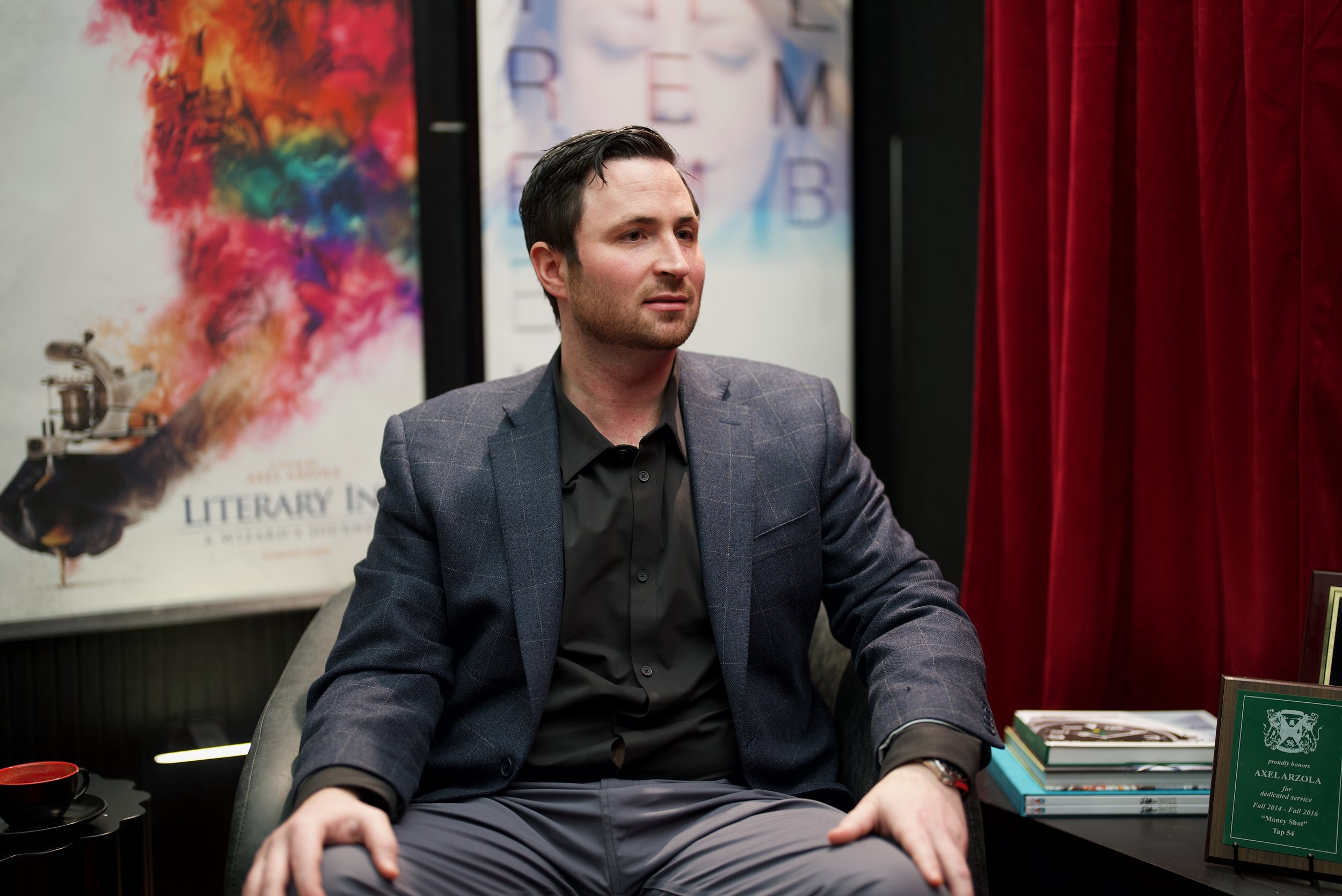
Spencer and Axel on set after the interview is over.
3. The Death of SaaS Pricing
Traditional SaaS pricing—charging per seat or per user—is becoming obsolete in the AI era. Vi.co has pioneered a Value-Based Underwriting model. Instead of pitching features, they pitch an "After" state.
Spencer asks the potential clients very simple questions to understand if they can really transform their business. By calculating the "Size of the Prize" on a napkin with the client, the sale becomes a simple mathematical equation:
“If we can lower your cost per activation by 20%, what does that mean for you as a business?”
”If I deliver $20M in value, are you willing to pay me $3M?”
4. The Culture of "A" Players
Managing a hyper-growth team requires more than just high commissions. It requires radical trust.
Every Friday, Spencer’s team meets to share two things: something they nailed, and something they "screwed up."
"The one thing you screwed up is actually more helpful for the team to hear"
It creates a learning environment where tactical errors are corrected in real-time. He warns that the moment aleader becomes tolerant of "B" players, the "A" players will lose their drive. At Vi.co, the culture is"all in" or "not in."
“The gold is the data”
Spencer Honeyman
“My personal belief is it’s about who you’re working with versus what you’re working on as the top priority.
We spend the majority of our waking hours on our work—it better be something you’re passionate about with people you respect.”
5. The Future: AI Orchestration
We are moving past the era of simple chatbots. Spencer is excited about AI Agents—orchestration layers that don't just predict problems but automate the solutions. In healthcare, this means taking a 56-minute manual health assessment and turning it into a 5-minute digital interaction that saves billions in operational waste while getting patients into care faster.
“Control the controllables. You can control how you show up, how you treat people, and your willingness to embrace the painful experiences. Those are the moments you learn the most.”

Watch the full episode with Spencer Honeyman and Axel Axe on YouTube
Spencer’s journey is a reminder that in the world of high-tech startups, human connection and radical honesty are still the most powerful tools in the shed. Whether he's slinging apartment rentals at 18 or scaling to nine-figure ARR profitably, the blueprint remains the same: Find the problem, underwrite the value, and never stop iterating.
