Ditching the Cloud: Strada 2.0 is HERE
Your Dropbox is full. Your iCloud is full. Google Drive is full. Frame.io is full. It doesn't matter how much tier upgrades you buy; as filmmakers, we are trapped in a constant, frustrating cycle of running out of cloud storage.
As a director and producer running Red Axe, I am obsessively protective of our workflow pipeline. We shoot five RED Heliums in 8K. That means a single day of shooting generates massive, multi-hundred-gigabyte camera files. Trying to share those files across three remote editors in three different cities over standard cloud architecture is a nightmare. The cloud was perfect for small files—but it was never truly built for the heavy payload of modern cinema.
That is exactly why I am losing my mind over the release of Strada 2.0.
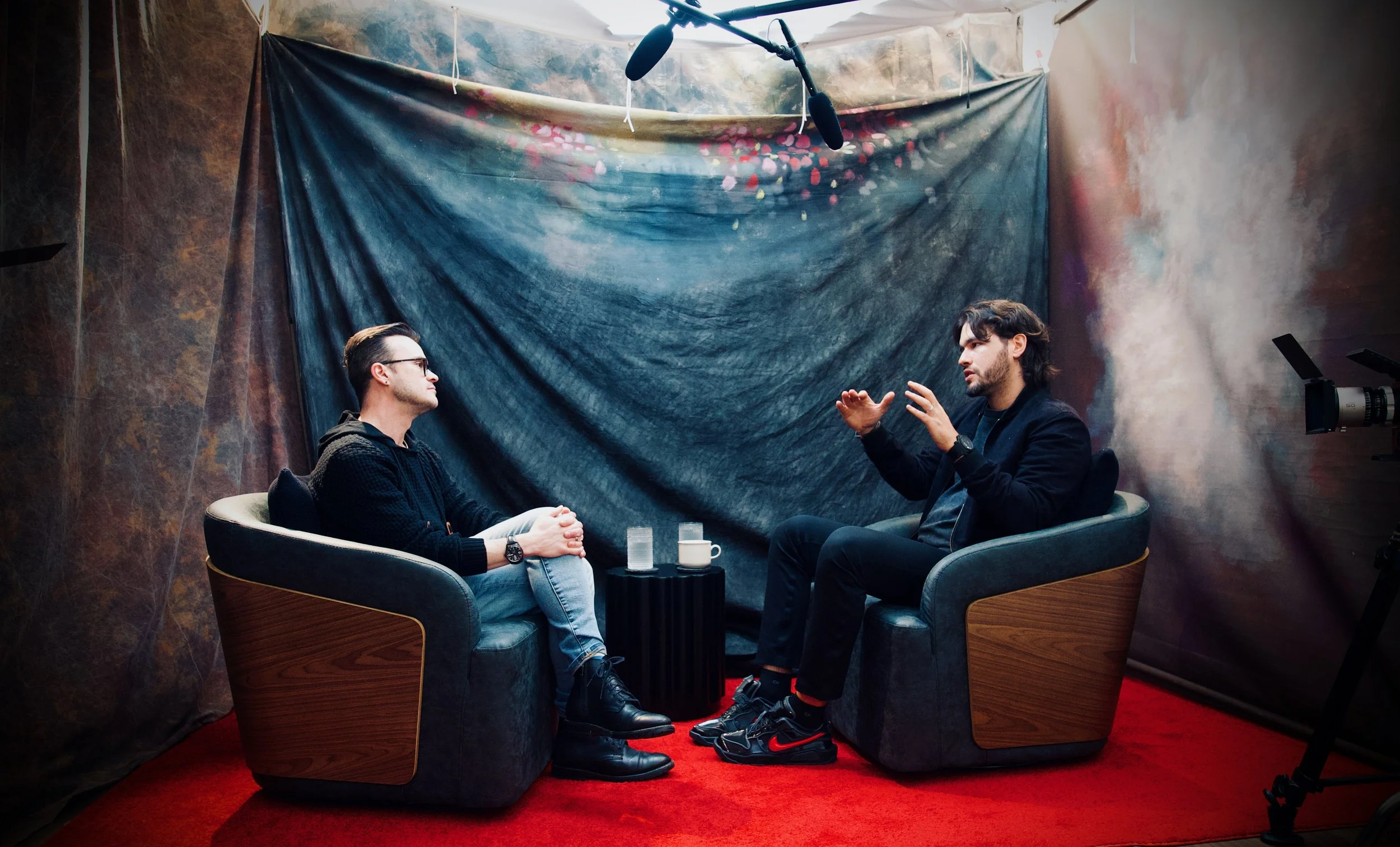
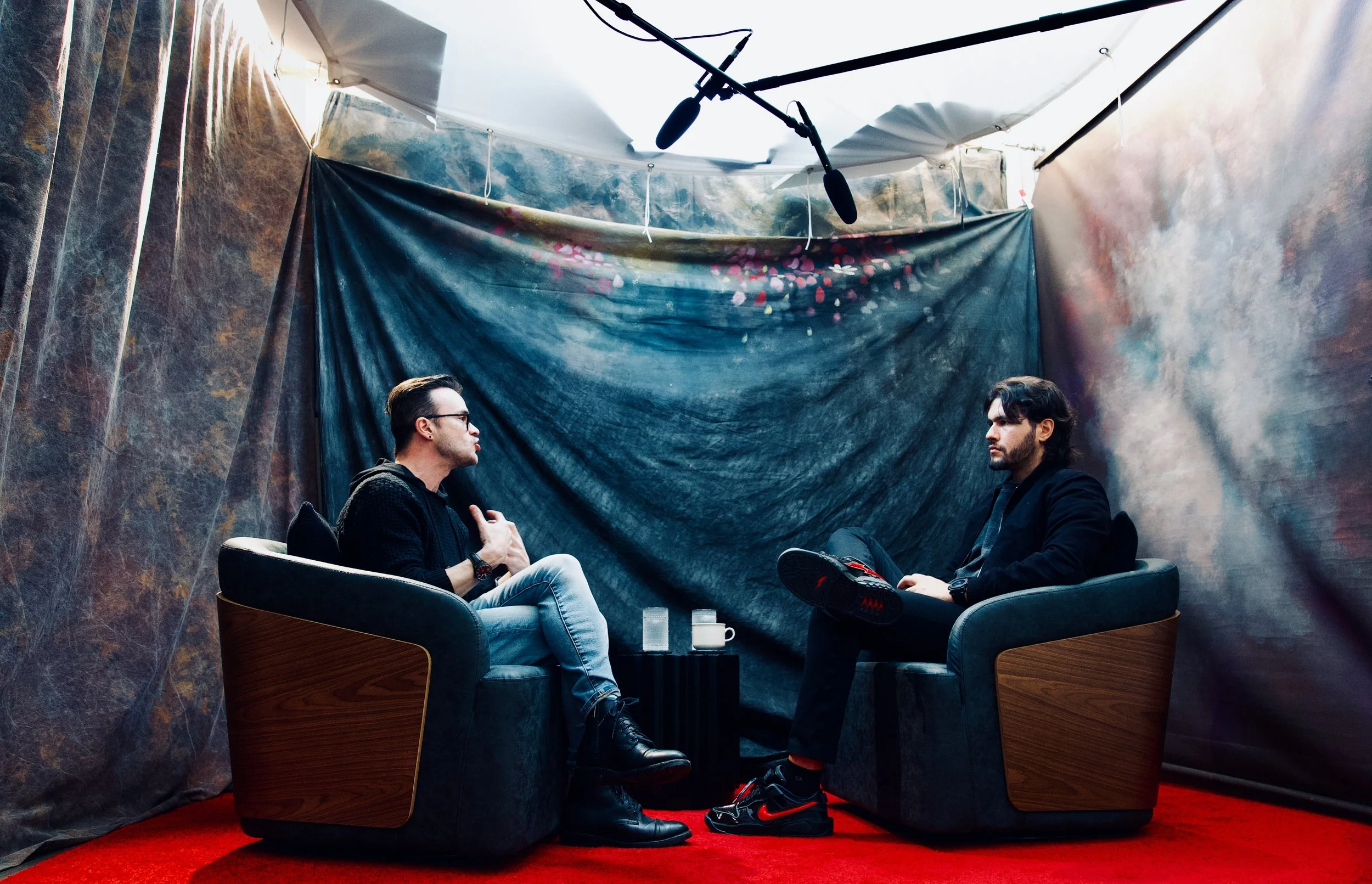
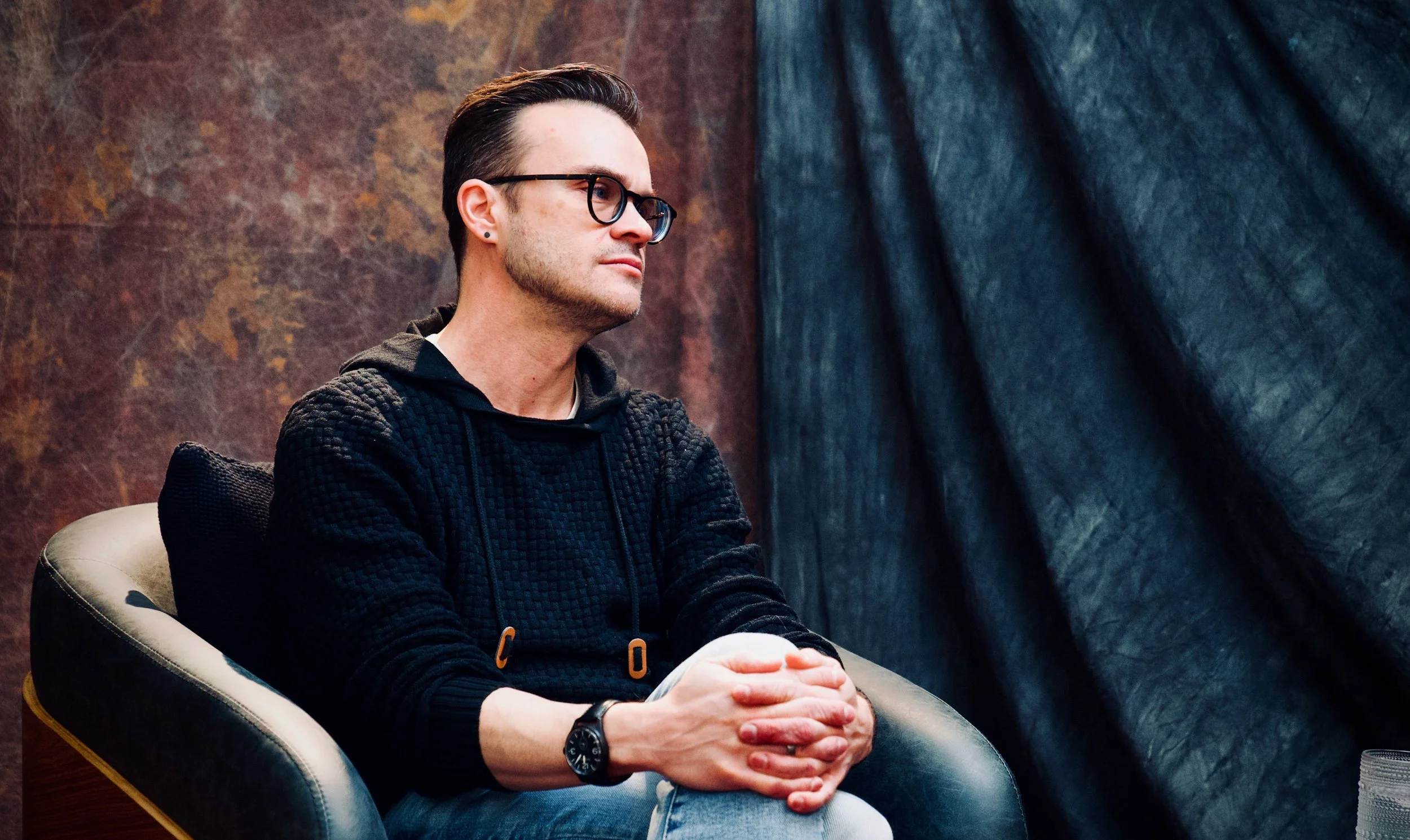
I invested into the company when they launched on We Funder and recently had the absolute privilege of sitting down with Strada’s founder, industry visionary Michael Cioni, on The Axel Axe Show. We did a deep dive into Michael’s mental frameworks, the future of hollywood and the technical psychology of post-production data management, and he broke down his philosophy on why the traditional cloud is a broken model for filmmakers.
Michael’s announcement of Strata 2.0 isn't just an incremental software update; it is an absolute paradigm shift for independent cinema. Here is the breakdown of what this tool does, how it works, and why it is going to fundamentally change the way we edit.
The Core Innovation: Accessing Media Without Moving Media
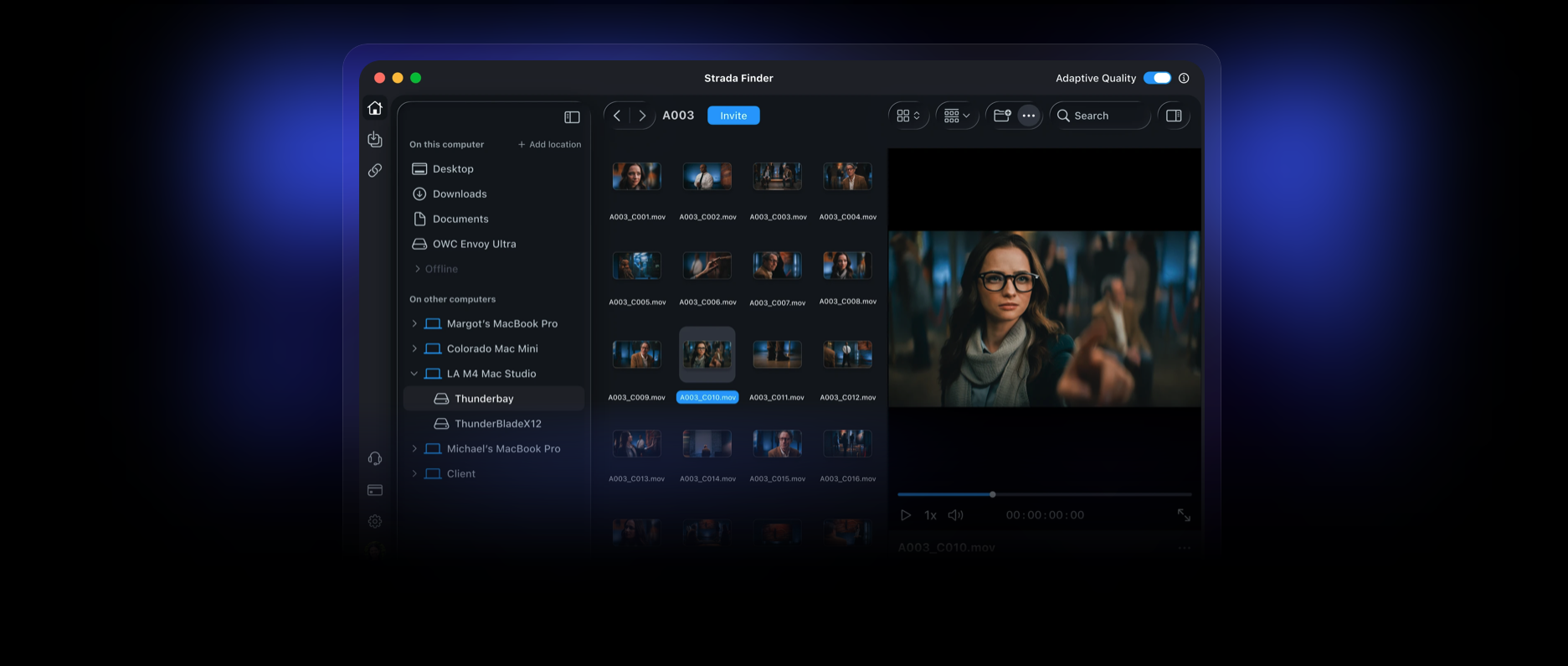
The headline feature of Strata 2.0 is beautifully simple: It is a protocol that makes your local physical storage behave exactly like a cloud.
Instead of burning precious production hours waiting for massive 200 GB raw clips to upload to a server, your remote collaborators can instantly access them right from your local drive. With Strata, nothing uploads ever.
How the Step-by-Step Workflow Works:
Install & Connect: You install the Strata application on your Mac or PC and connect your local editing drives.
Invite the Crew: Right inside your operating system, you invite your remote team members to the specific project folders you want to share.
Native OS Integration: Strata runs natively like a Finder window on Mac or File Explorer on PC.
Instant Remote Access: Your editor—whether they are sitting across town or 2,000 miles away—opens Strata on their machine. They see the exact same folder structure. They can drag those 8K clips straight into tools like DaVinci Resolve or Premiere Pro and start cutting immediately.



There is no waiting to upload, no waiting to download, and no proxy sync lag. The file sits perfectly on their timeline, playing back directly from your source drive.
Shattering the Financial Tax of Post-Production
When we run projects through Red Axe, keeping 50 to 100 terabytes of master media active on collaborative cloud platforms like LucidLink, Frame.io, Dropbox, or Shade can cost production houses thousands of dollars every single month. It is a massive "cloud tax" that eats directly into an indie film's actual production budget.
Strata 2.0 completely destroys this financial bottleneck. Because you are utilizing your own local hard drives rather than renting server space from big tech monopolies, Strata allows a remote editor to access unlimited terabytes of data for just $8 a month.
That represents a cost savings of more than 90% compared to traditional cloud storage workflows.
As Michael told me during our podcast session, they aren't merely trying to build a cheaper cloud alternative; they built a protocol that makes the cloud entirely obsolete for heavy media management.
My Directorial Take:
When I spoke with Michael Cioni on the show, what resonated with me most was his understanding of creative friction. Every minute a director or editor spends watching a progress bar upload, troubleshooting a corrupted sync link, or deleting old files to free up space is a minute stolen from the creative process.
Strata 2.0 removes the technical friction from the equation. It allows me to keep our master files secure at our main Red Axe suite while giving an elite editor anywhere in the world immediate, zero-latency access to the frame. It gives independent filmmakers the operational speed of a major studio on an indie budget.
Strata 2.0 is officially live, and you can sign up for free to test the protocol yourself. If you are ready to take control of your data pipeline and protect your creative momentum, it is time to join the thousands of other creative professionals who are finally ditching the cloud.
Want to hear the full technical breakdown? Go watch my complete, in-depth conversation with Michael Cioni on The Axel Axe Show on YouTube, where we dissect the future of AI in storage, metadata architecture, and how to build a resilient post-production engine.
*Disclaimer: I invested in Strada and I fully support their mission and team.